

Species, Habitats, and Why Our Coast Is So Unique
South Africa has some of the most exciting marine biodiversity on the planet and has become a global hotspot for marine life due to its diverse coastal environments. Warm waters from the Indian Ocean move through the southern tip of Africa, while cold water from the Atlantic Ocean flows past the Cape. These two different types of oceans create ideal conditions for a vast array of marine life to thrive, including sharks found in South Africa. Understanding why so many different shark species have made their home in South Africa will help us understand how ecosystems function and the importance of conservation to all of us.

How Many Shark Species Are There in South Africa?
South Africa is home to over 100 different shark species. There are at least 500 species of sharks worldwide, many of which are found in Southern African waters.
When people ask:
- How many sharks are in South Africa?
- How many shark species are there?
The answers will depend on how one defines a “species” as well as whether you are looking for an estimate of the number of individual sharks vs the number of species.
As far as species diversity goes, South Africa is considered among the most productive and diverse shark habitats in the world.
This includes:
- Large apex predators
- Reef and coastal sharks
- Deep-sea species
- Smaller catsharks and shysharks
Because of its unique combination of cold- and warm-water circulation systems, South Africa is home to the perfect environment for both subtropical and temperate shark species.

Why Does South Africa Have So Many Sharks?
This is one of the most common questions students ask.
1. Two Major Ocean Currents Meet Here
South Africa sits between:
- The cold Benguela Current (Atlantic Ocean)
- The warm Agulhas Current (Indian Ocean)
The temperature difference creates an area with high marine productivity, offering abundant opportunities for sharks to hunt for prey.
2. Rich Marine Food Web
Sharks primarily feed on what they catch after hunting and tracking their prey. South Africa has a wide variety of marine foods found along the coastlines, including:
- Seals
- Sardines
- Tuna
- Reef fish
- Squid
The sardine run along the eastern coast is considered by many to be one of the greatest marine feeding events on Earth, attracting numerous shark species.
3. Varied Habitats
South Africa has virtually all types of marine environments, including kelp forests, coral reefs, and deep-sea canyons in the open ocean.

Where Are Sharks Found in South Africa?
Sharks are found along the entire South African coastline, but different species live at different temperatures, in different habitats, and eat different foods. Therefore, because both cold and warm systems occur in South Africa’s oceans, this allows for a very large number of shark species to exist.
- Atlantic Coast (Western Cape)
The cold Benguela Current influences the Atlantic side.
Here you’ll typically find:
- Cold-water shark species
- Sharks that hunt around seal colonies
- Species that move through kelp forest ecosystems
Cooler waters have abundant nutrients, which attract fish, which in turn attract the predators that pursue them.
2. Garden Route & Southern Cape
This area has a combination of reefs, sand flats and bays that offer protection from the elements.
This region supports:
- Reef-associated sharks
- Coastal hunting species
- Important nursery areas where juvenile sharks grow
It is considered to be one of the most biologically diverse marine zones in the country.
3. KwaZulu-Natal Coast
On the eastern coast, the Agulhas Current warms the sea, providing a subtropical marine zone.
Here you’ll find:
- Warm-water shark species
- Reef-associated sharks
- Seasonal migratory species that follow fish movements
More mobile sharks are attracted to the warmer waters when they migrate.
What Types of Sharks Live in South African Waters?
Sharks in South Africa fall into several ecological groups:
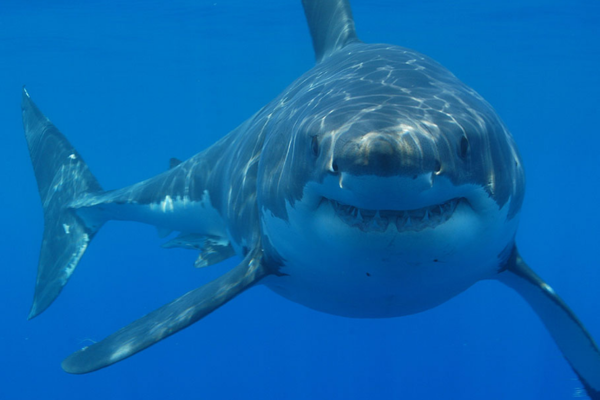
Apex Predators
- Great White Shark
- Tiger Shark
- Bull Shark
These sharks sit at the top of the food chain.
Coastal & Reef Sharks
- Ragged-Tooth Shark
- Bronze Whaler (Copper Shark)
- Oceanic Blacktip Shark
These species are often associated with reefs, sandy bottoms, and coastal hunting grounds.
Deep-Sea Sharks
- Shortfin Mako
- Lantern sharks
- Dogfish species
These sharks inhabit offshore and deeper waters.
Small Bottom-Dwelling Sharks
- Puffadder Shyshark
- Catsharks
- Various endemic coastal species
These smaller sharks are often found resting on reefs or rocky seafloors.
This range, from massive apex predators to small benthic species, makes South Africa one of the most scientifically interesting shark regions in the world.

Why Are Some Shark Species in Danger?
There is an increasing number of threatened shark populations in South Africa, threatened by multiple factors.
Major Threats:
- Commercial fishing for sharks
- Sharks caught incidentally (by-catch) as part of commercial fisheries
- Loss/degradation of habitats
- Changes due to climate
- Water pollution
Additionally, some shark species may mature after several years, while most reproduce at very low rates. As a result, their population growth rate will be slower than that of other marine species.
The IUCN Red List tracks species that are vulnerable, endangered, or critically endangered.

South African Endangered Sharks
Examples of threatened shark species found in South African waters:
- Great White Shark (Carcharodon carcharias) – Vulnerable
- Scalloped Hammerhead (Sphyrna lewini) – Critically Endangered
- Shortfin Mako (Isurus oxyrinchus) – Endangered
- Soupfin Shark (Galeorhinus galeus) – Critically Endangered
- Smooth Hammerhead (Sphyrna zygaena) – Vulnerable
Protection measures, marine reserves, and fishing regulations aim to reduce further decline.
How Many Sharks Are in South Africa?
Unlike counting species, estimating the total number of sharks is extremely difficult.
Sharks:
- Travel long distances
- Migrate seasonally
- Live offshore beyond human visibility
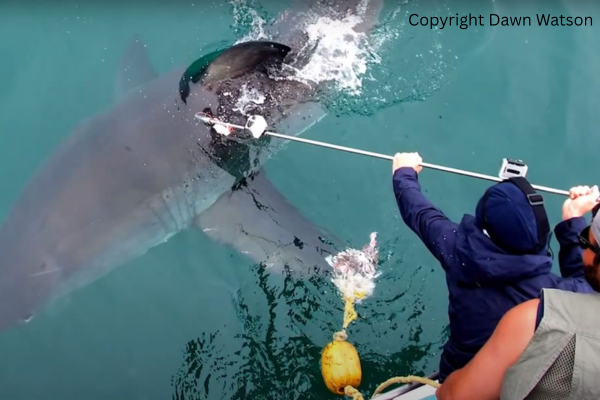
Scientists use tagging, satellite tracking, and population modelling to estimate numbers, but exact figures are constantly changing.
What is clear is that healthy shark populations are essential for ocean balance.

The Role of Sharks in South African Marine Ecosystems
Sharks do not simply hunt as predators, they regulate their ecosystems.
Sharks:
- Help to keep the population of prey species healthy
- Remove weak or sick individuals from the population
- Maintain the overall health of the ecosystem
- Influence how and when fish migrate
Without sharks, marine ecosystems can be unstable.
Why Understanding Sharks in South Africa Matters
Learning about sharks goes beyond fear or fascination.
It teaches us:
- How food webs function
- Why is biodiversity important
- How climate and currents shape ecosystems
- Why conservation science matters
South Africa’s coastline offers a real-world classroom for marine biology.
Exploring the World of Sharks in South Africa
From kelp forests in the Western Cape to the warm Indian Ocean reefs of KwaZulu-Natal, sharks in South Africa represent one of the richest and most diverse marine predator communities on Earth.
Understanding where sharks are found in South Africa, why some species are endangered, and how many different types exist helps us see the bigger ecological picture. If you’d like to dive alongside a variety of shark species, book our Sardine Run tour and get ready to see a host of different shark species.