

Marine Habitats of Sharks: Where Sharks Call Home
The various shark habitats include all of the ocean’s environments, which provide the conditions for different shark species to survive (eat, breed, migrate), including shallower coastal waters and coral reefs, as well as deeper waters and the open ocean. Sharks, being adaptable and among the top predators on Earth, have been found in many of the world’s ocean systems throughout their entire life cycles.
Why Do Different Shark Species Prefer Different Marine Habitats?
Shark habitats vary from one species to another due to the differing physical characteristics, sensory capabilities, and behavioural patterns of the various species, which are best suited to different environmental conditions.
Shark food is often found in specific areas of the habitat where each species has developed ways to find it. For example some sharks feed by finding their prey hiding in crevices in coral reef areas; other sharks search for schooling fish in wide-open ocean water.
Water temperature and ocean currents also determine which shark habitats are suitable for certain species. Many species have evolved to live within very specific temperature ranges and current systems to conserve energy during migration or feeding.
In addition, the topography of the seafloor creates unique ecological niches (environmental locations) that different shark species may utilise. In some cases, these may be used as shelters or hunting grounds; in other cases, as resting places.
Newborn shark pups are protected from predators in the shallow coastal waters, estuaries, and bays that serve as nursery habitats for many shark species.
Some shark species migrate long distances in the ocean to take advantage of seasonal shifts in prey movement, whereas many other shark species do not make such migrations but instead move back and forth between two or more smaller habitat ranges in response to seasonal changes.
Thus, these four factors together account for the wide variety of shark habitats found throughout the world’s oceans.

Which Shark Habitats Are Found Off the Durban Coast?
Shark habitats located off the Durban and KwaZulu-Natal coastlines include coastal environments, reefs, and offshore water areas that have an abundance of a variety of shark species. The warm waters of the Indian Ocean are suitable for both migratory and non-migratory sharks.
The Aliwal Shoal is one of the most well-known coral reefs found in South Africa. It extends about five kilometers into the ocean and has a large array of coral reefs, with both hard and soft coral, invertebrates, and many large predatory species that use their structural environment for hunting and refuge.
Many pelagic shark species such as hammerheads and bull sharks use offshore reefs such as Protea Banks and surrounding deep-water zones. These locations have strong currents and are abundant in food resources and therefore represent important migration routes and feeding grounds.
Species of sharks that prefer the warmer subtropical coastal waters include the blacktip shark. The blacktip shark inhabits the above mentioned shark habitats because they provide stable temperatures and consistent food availability.
Studying shark habitats in the form of reef systems, offshore, and pelagic environments provides researchers with greater insight into the spatial distribution of various shark species along the coastline of Durban. Additionally, the above-mentioned habitat zones determine where shark diving and cage diving experience occur in KwaZulu-Natal.

What Are the Main Marine Habitat Zones for Sharks?
Shark habitats are generally classified into five main types of marine zones; each zone supports different species of sharks, dependent on the availability of food, the level of water depth, water temperature, and the type of seafloor structure.
1. Coastal Reef and Continental Shelf Shark Habitat Areas
Coastal reef and continental shelf shark habitats are usually located in shallow coastal waters, and feature features like rocky outcrops, coral reefs, and shipwrecks. For example, Aliwal Shoal has a number of natural reef formations and multiple wrecks that support a diverse population of sharks.
Coastal reef sharks, ragged-tooth sharks (sand tiger sharks), and some other bottom-associated species utilise these habitat zones to feed, hide and rest. The reef’s complexity provides numerous food sources and safe hiding places, particularly for juvenile sharks.
2. Estuaries and Near Shore Transitional Zone Shark Habitats
Estuaries are transitional areas between freshwater river systems and the ocean, resulting in mud or sand bottoms with varying salinity levels. Due to their ability to survive in both fresh and salt water, bull sharks, also referred to as Zambezi sharks, are highly suited to these estuary shark habitats.
In many cases, the estuarine areas serve as nurseries for sharks. The shallow waters, low visibility and relatively few larger predators make it easier for young sharks to develop and grow before leaving the area. However, surviving in estuaries requires specific physiological adaptations to the variable environmental conditions.
3. Pelagic Shark Habitats
Open-ocean shark habitats are typically located in the open ocean, far from shore and above deep water. These habitats are utilised by sharks that migrate to locate large schools of fish and seasonal food sources.
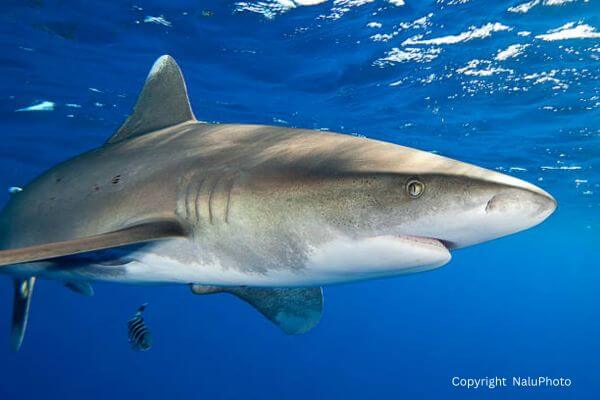
Examples of species that inhabit the pelagic shark habitats include the oceanic whitetip sharks, hammerhead sharks, tiger sharks and other large pelagic sharks. Because there are few physical structures in open-ocean habitats, these sharks must be constantly on the move to locate prey.
4. Deep Sea Shark Habitats and Drop-Off Zones
Deep-sea shark habitats are defined as areas located at the base of steep continental slopes, in underwater canyons and around deep offshore reefs. Protea Banks is one example of an offshore reef system with steep drop-offs and fast-moving currents, providing optimal conditions for large sharks, such as ragged-tooth sharks, which hide in caves along the reef.
There is limited sunlight and less human disturbance in these shark habitats, which means that the sharks that live here have developed unique hunting strategies, advanced sensory capabilities, and high energy efficiency to survive in the deeper, darker waters.
5. Sand or Mud Bottom Shark Habitats (Benthic Zones)
Benthic shark habitats are those found along sandy or muddy ocean floors where sharks feed on bottom-dwelling prey such as crustaceans, molluscs, and small fish. The body shape of sharks that have adapted to these habitats is often flat and camouflaged.
Guitar sharks, which are common in Durban waters, represent examples of benthic species. Both food and shelter are provided in these shark habitats, enabling sharks to hunt or rest while blending into the seabed.

How Do Sharks Adapt to Their Particular Habitats?
Sharks have developed a variety of adaptations that allow them to live in a range of environments, from shallow coastal waters to the open ocean and the deep sea. These adaptations affect how sharks move, search for food, and interact with their surroundings.
The shape of sharks’ bodies has many similarities to their habitat and to what they eat. The fast-swimming sharks that inhabit the open ocean have long, thin, streamlined bodies that allow them to swim at high speeds for long periods. The sharks that live on the ocean floor have flat bodies that let them sit on the seafloor and wait for prey to come close enough to be eaten.
Colouring and skin patterns provide sharks with camouflage in their respective environments. For example, sharks have colours and/or patterns on their bodies that make them difficult to see in reefs, sand flats, etc. Many sharks have countershading (a darker colour on top and a lighter colour on the bottom), which makes them easier to hide in the water. They also may have spots, blotches, or mottling to make it harder for prey/predators to see them.
Many sharks have sensory organs that allow them to find prey through electrical signals. Many sharks also have eyes suited to finding prey in low light and wide-angle vision, so they can keep an eye out for predators around them. Hammerheads, for example, have better-than-average depth perception and can see almost all-around them.
Behavioural adaptations also determine how sharks use their environments. Some sharks are found in large groups/schools, but other species prefer to be alone. Many sharks travel along established migration routes at the same time each year, following where prey is migrating, and some use undersea features such as reefs, caves, and drop-offs to rest, breed, or hide from predators.
Lastly, physiological plasticity also allows sharks to adjust to their environments. Sharks that are living in brackish water (marine/estuary), for example, are capable of regulating the amount of salt in their bodies. There are also differences in the body size and jaw structure of sharks that allow them to catch prey most suitable for their particular environment.

Why Are Shark Habitats Critical for Conservation and Marine Biology?
Shark habitats play very important roles in both conservation and marine biology research. When we understand where sharks live and which habitats they use, it helps us better understand our responsibility to conserve sharks and the ecosystems they inhabit.
Studying sharks’ habitats enables us to monitor shark population sizes, how sharks move and migrate, and how human impacts, such as fishing, pollution, and habitat destruction, affect shark populations over time.
Knowing where sharks live allows scientists and conservationists to identify areas of the ocean where shark populations may be best managed and/or monitored for responsible ecotourism. The creation of either protected or monitored shark areas allows for a reduction in stress experienced by sharks while providing safe opportunities for people to observe sharks during research dives and/or regulated shark-diving experiences.
The loss of habitat for sharks represents an equally significant threat to the survival of sharks as does the overfishing of sharks. Damaging coral reefs, developing coastlines, and polluting the ocean reduce the availability of food sources (feeding grounds), nursery areas, and shelter for many shark species, making survival more difficult.
When sharks (as apex predators) are removed from a particular area, it creates a ripple effect in the ecosystem. Sharks play a key role in regulating prey populations, if sharks are removed from an ecosystem it will create imbalances within the ecosystem. As an example, when shark populations are reduced by habitat destruction, the number of prey fish typically increases. Over time, this can lead to overgrazing of the habitat, resulting in long-term damage to coral reefs.

Which Shark Species Make Durban’s Habitats Their Home?
A number of shark species inhabit the habitats found along the Durban and KwaZulu-Natal coastline; each has evolved to thrive in a particular coastal or offshore habitat. A combination of warm Indian Ocean waters, strong currents and a range of reef systems creates a unique environment that supports a diversity of both migrant and resident shark populations.
Due to the overlap of different shark habitats in areas where Durban Shark Diving operates, it is possible to see multiple species of sharks across three zones of Durban’s marine environment: reef, pelagic, and near shore. Sharks commonly encountered in the marine habitats of Durban include bull sharks (also known as Zambezi sharks), tiger sharks, oceanic blacktip sharks, hammerhead sharks, ragged-tooth sharks, and many others, including both pelagic and reef-dwelling species.
Species use the shark habitats around Durban differently, depending on factors such as water depth, temperature, prey availability, and seasonal migration patterns. These habitats contribute to an essential component of South Africa’s marine ecosystem and provide both the basis for research into conservation and a means for the responsible pursuit of shark diving.

Durban Shark Diving – Types of Sharks
The wide variety of shark habitats along the coast of Durban provides habitat to various types of sharks, which have evolved to thrive within their respective marine ecosystems.
Blacktip Reef Shark
Blacktip Reef sharks are often seen swimming in coastal waters that have warm conditions and rich prey populations near reefs, which can support frequent encounters with sharks.
Tiger Shark
Tiger sharks are large predators that can be found in a variety of shark habitats, from shallow coastal waters to reef edges and deep water offshore areas.
Zambezi Bull Shark
Bull sharks demonstrate an extreme degree of adaptability and inhabit both coastal marine and estuary-type environments, thus allowing them to utilise a variety of shark habitats.
Ragged Tooth Sand Tiger Shark
Ragged tooth sharks are most commonly found around reef areas off of Durban, and use such things as shipwrecks, caves and ledges as refuges or places to rest.
Guitar Sharks
Guitar sharks are benthic feeding fish that live on sandy sea floors and feed on benthic organisms using camouflage to blend into the environment.
These many different shark habitats provide an opportunity for researchers to study shark behaviour and ecology, and also provide opportunities for those interested in shark diving to do so in a responsible manner off the coast of Durban.

What Threats Do Shark Habitats Face, and How Can We Protect Them?
Worldwide, many of the world’s shark habitats are threatened by both man-made threats and those occurring in nature. The preservation of shark habitats is vital to the survival of sharks and the well-being of marine ecosystems.
Threats to Shark Habitat
Damage to coral reefs resulting from bleaching, pollution and destructive fishing techniques limits refuge and food for reef-dwelling sharks. In addition, coastal development will continue to pose a threat to shark habitats, as it destroys estuaries and shallow nursery areas where young sharks find refuge during the early stages of their lives.
The removal of sharks from their habitats through overfishing and bycatch not only removes individual sharks from their habitats but can also reduce prey species availability throughout entire food webs. As an added stressor, climate change will continue to cause changes to ocean temperature and currents, which will force some sharks to relocate or adjust to new habitats.
Habitat fragmentation represents yet another major threat to sharks. When sharks cannot move freely between feeding, breeding and nursery zones, populations may decline because they will have reduced genetic diversity and limited access to necessary resources.
Protecting Shark Habitats
Perhaps one of the most effective tools for protecting shark habitats is the establishment and enforcement of Marine Protected Areas (MPA) e.g. the Aliwal Shoal MPA. MPAs restrict damaging activities and provide protection for critical shark habitats.
Monitoring shark populations and their habitat utilization through tagging programs, scientific research and underwater surveys will provide the necessary information to develop plans for conserving sharks.
Education will also be a key component of shark conservation. Educating the general public, decision-makers and coastal residents regarding the importance of preserving shark habitats will encourage environmentally responsible decisions.
Sustainable tourism practices are also very important when promoting shark conservation. Responsible shark diving, cage diving and snorkeling operations minimize disturbances to sharks and ensure that sharks interact with their habitats in a manner consistent with their natural behavior.
You can study shark habitats through careful observation while maintaining respect for both the animals and their natural environment. Responsible shark diving and snorkeling experiences allow people to witness sharks in the habitats where they naturally live and behave. Our website provides information about shark diving in Durban, South Africa, for those who want to learn more about sharks while observing them in their natural habitat.