

Durban Shark Species – Discover The Predators of KwaZulu-Natal Waters
Have you ever wondered about the shark species in the Durban waters? The ocean predators known as sharks exist in remarkable diversity throughout the waters surrounding Durban, South Africa. The African coastline boasts an exceptional diversity of sharks, including the powerful tiger shark and the sleek blacktip, among others. Let’s examine the most notable shark species which inhabit Durban waters, together with their behaviour patterns and their essential role in maintaining the marine ecosystem.

Durban Shark Species You Can Encounter Up Close
The coastal waters of Durban provide a location to observe various shark species in their natural habitat.
Shark diversity in Durban peaks around the Umkomaas and Aliwal Shoal areas of the coastline. The combination of warm ocean currents and abundant food sources creates an ideal environment for apex predators and deep-sea species to thrive in these waters.
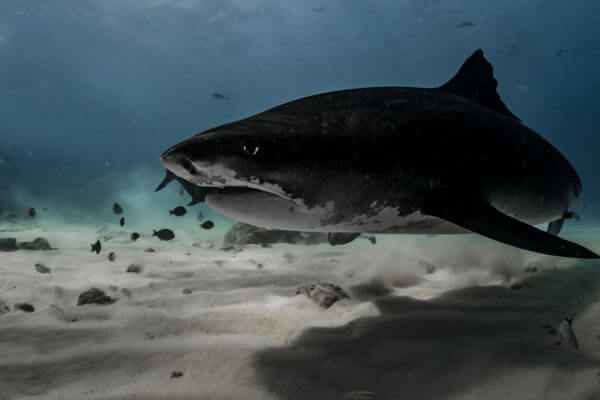
Tiger Shark – The Ocean’s Striped Hunter
The tiger shark (Galeocerdo cuvier) stands as one of the strongest ocean predators that inhabit the waters near Durban.
- Size: Can grow up to 5.5 metres
- The vertical stripes on its body make this shark easily identifiable.
- The tiger shark consumes a wide range of prey, including fish, rays, seabirds, turtles, and various human-made items.
- The apex predator status of tiger sharks helps maintain the balance of the marine ecosystem by regulating prey populations.
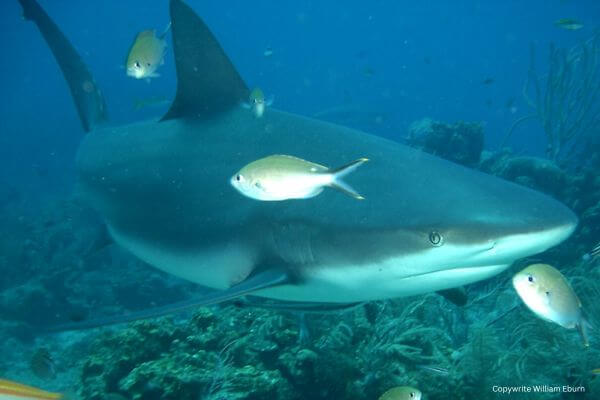
Bull Shark – The River Explorer
- Bull sharks (Carcharhinus leucas) stand out because they thrive in both saltwater and freshwater environments.
- The species occurs in river systems and estuaries, as well as near Durban beaches.
- Stout-bodied with a blunt snout.
- Their aggressive hunting behaviour and ability to adapt to different environments make them stand out.
Their ability to swim into rivers makes them known as versatile hunters among other shark species.
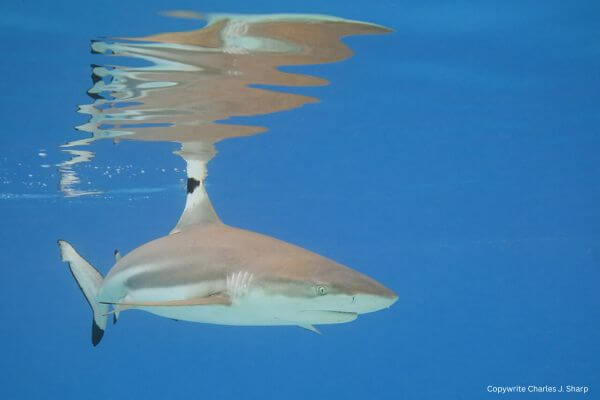
Oceanic Blacktip – Durban’s Most Common Shark
The Oceanic Blacktip (Carcharhinus limbatus) appears most frequently during cage diving operations near Durban.
- The Oceanic Blacktip reaches a maximum length of 2.5 meters while maintaining a medium size.
- Black tips on their fins are the main identification feature of this species.
- The species shows strong curiosity when interacting with divers during their underwater encounters.
The species shows no aggressive behaviour, but they are swift and agile predators that hunt sardines, mackerel, and squid.
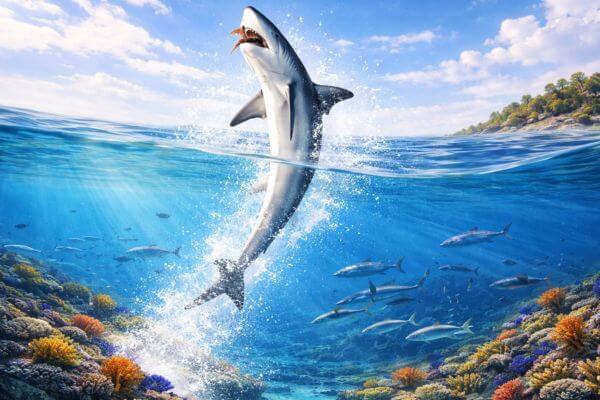
Spinner Shark – The Acrobat Of The Sea
The scientific name Carcharhinus brevipinnis identifies the Spinner shark because of its distinctive hunting behaviour.
- The sharks hunt sardines together with other fish that swim in schools.
- Their slender, streamlined bodies enable them to perform aerial acrobatics by jumping from the water while executing circular movements in the air.
- The sharks make them move at high speeds.
During the Sardine Run, spinner sharks perform their signature aerial display by jumping out of the ocean with great force.
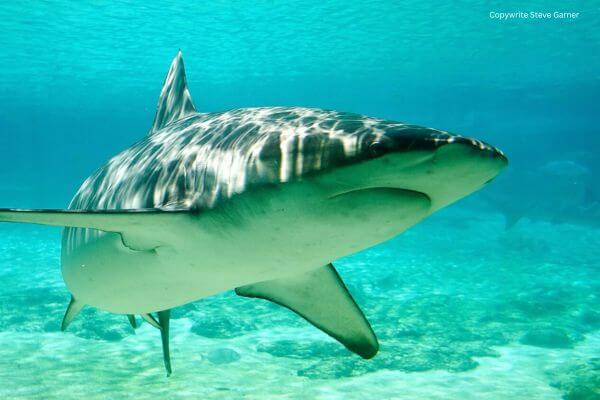
Dusky Shark – The Deep Swimmer
The coastal waters of Durban support the Dusky shark (Carcharhinus obscurus), one of the largest shark species.
- The species reaches lengths of up to 4.2 meters.
- The shark displays a grey-brown colouration with a prominent dorsal fin.
- These sharks perform extended migrations across the ocean.
These sharks spend most of their time in deep ocean waters, yet they occasionally venture closer to coastal areas to hunt.
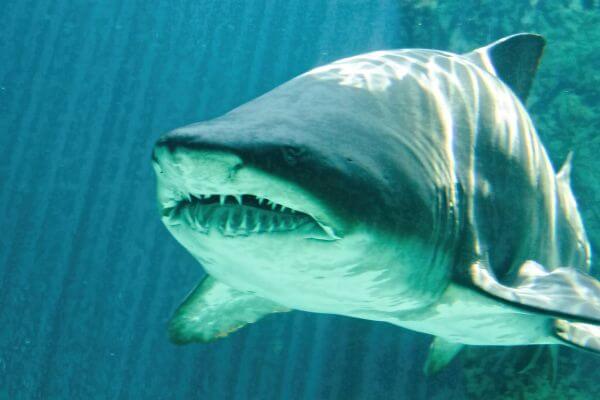
Ragged Tooth Shark – The Fearsome-Looking Among Durban Shark Species
The ragged-tooth shark (Carcharias taurus), also known as the sand tiger shark, presents a frightening appearance because of its exposed teeth, though it does not match its intimidating looks.
- The species and the underwater caves.
- The shark uses its stealth to catch bony fish and rays as it moves slowly and shows no aggressive behaviour.
- The species can be found in shipwrecks, which serve as its primary food source.
The favourite subject of underwater photographers is the ragged tooth shark because they commonly observe these sharks resting in groups during dives.
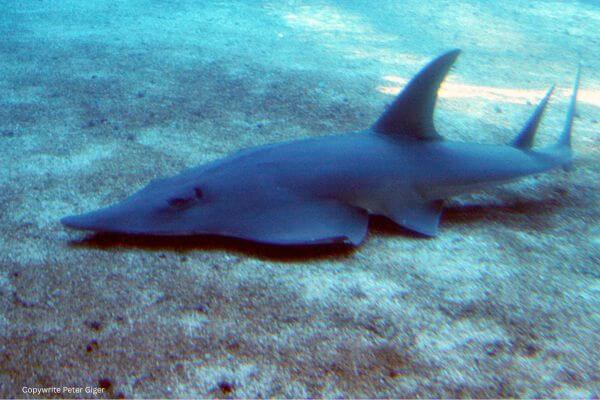
Guitar Sharks – The Bottom Dwellers
The scientific classification of guitar sharks places them within the family of rays, despite their name.
- Their bodies have a flat shape which resembles that of rays.
- The sharks spend most of their time in the sandy areas of the ocean floor.
- Their diet consists of small crustaceans and molluscs.
The species plays a vital role in seabed health because it regulates the numbers of invertebrates.
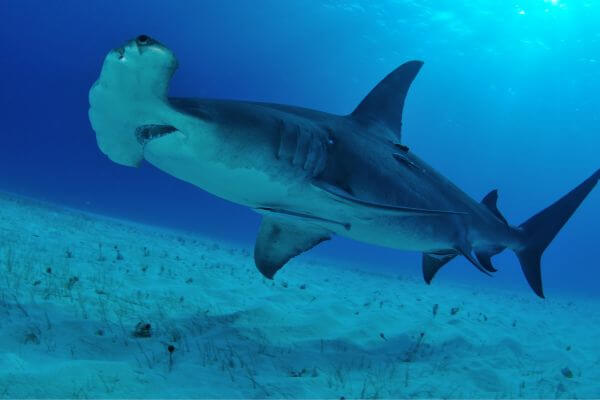
Hammerhead Sharks – The Unusual Durban Shark Species Silhouettes
The distinctive wide head shape of hammerhead sharks makes them easily recognisable in the water. The scalloped hammerhead (Sphyrna lewini) is one of several hammerhead species seen in Durban waters.
- The distinctive head shape of this species provides complete 360-degree vision.
- The sharks use their precise hunting abilities to catch schools of fish.
- The species travels in groups which scientists call schools or shoals.
The distinctive body shape and social hunting behaviour of hammerheads make them one of the most interesting shark species found in Durban waters.
Shark Safety and Conservation
Durban’s shark species play a vital role in the ecosystem.
The public perception of sharks remains incorrect because Durban experiences only occasional shark attacks. Most shark species tend to avoid humans unless they feel threatened or are investigating something. Organisations dedicated to conservation protect these predators so people in the future can observe their natural beauty.
Most common sighting: Oceanic Blacktip.
- The largest predator found in these waters is the Tiger shark.
- The Hammerhead shark stands out as the species with the most distinctive head shape.
- The Spinner shark performs the most impressive acrobatic moves.
- The Ragged tooth shark appears frightening but poses no threat to humans.
The coastal waters of Durban offer a diverse range of shark species. The ocean ecosystem depends on various shark species, including the powerful tiger shark and the peaceful ragged tooth shark. Our protection of these amazing ocean predators will allow them to maintain their natural habitat, making KwaZulu-Natal an ideal location for studying these marine predators. The ocean ecosystem depends on various shark species, including the powerful tiger shark and the peaceful ragged tooth shark. Our protection of these amazing ocean predators will allow them to maintain their natural habitat.
If you would like to view any of these magnificent Durban shark species, contact us today to make your dream a reality.