

Ocean Pollution: A Growing Threat to Life Below and Above the Surface
Ocean pollution has a serious impact on many parts of the world’s largest and most complex ecosystem, the ocean, including coral reefs, the top predators in the ocean, the large schools of fish that feed them, the tiny plankton that start the food chain, and even humans when they explore the ocean. Poisoning and destroying vital habitat for marine animals at all levels of the ocean’s food web is happening as a result of more waste and dangerous chemicals entering into the ocean. In addition to poisoning and destroying vital habitat for marine animals at all levels of the ocean’s food web, ocean pollution will have far-reaching negative impacts on human health, food availability and the ability of people to earn their living from the ocean, and it will destroy the ocean’s food web worldwide.
What Is Ocean Pollution?
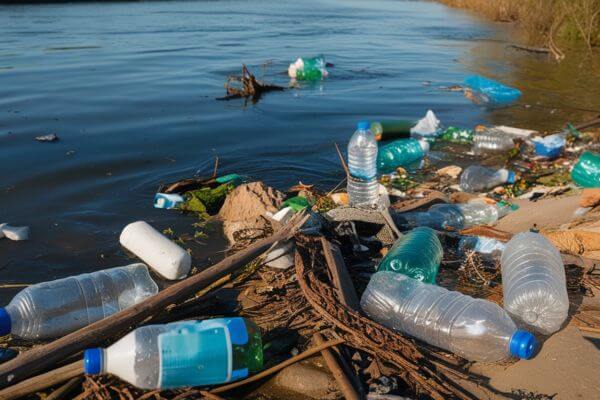
Ocean pollution occurs when dangerous substances of chemical, physical, and biological nature enter marine ecosystems. These include:
- Plastic waste & microplastics
- The ocean receives chemical pollutants through fertilisers and pesticides, heavy metals, and pharmaceuticals.
- The ocean suffers from two primary sources of pollution: oil spills and fuel leaks.
- Sewage and pathogens
- The ocean receives two types of pollution from ships and sonar devices, which produce noise.
- Acidification and excess CO₂
- Marine debris and ghost nets
- Harmful algal blooms/eutrophication
The pollutants enter the ocean through three primary sources, which include rivers, cities, agricultural areas, ships, and atmospheric emissions. All rivers that flow into the sea create significant impacts because they carry pollution from land-based activities.
How Ocean Pollution Creates Long-Term Stress On Marine Ecosystems
1. Physical Damage & Entanglement
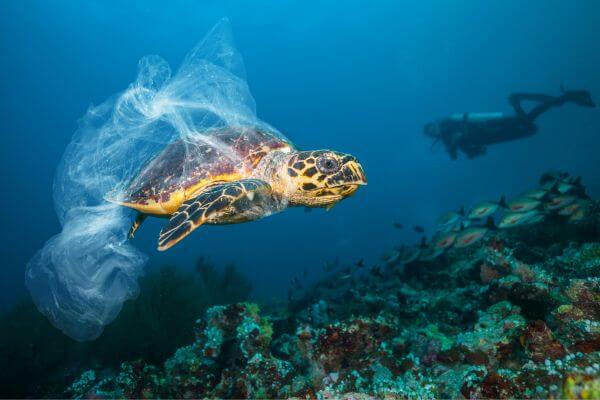
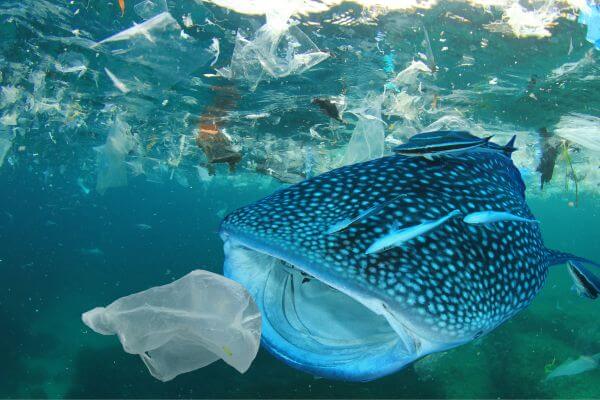
Physical harm to marine animals occurs when plastic waste, such as six-pack rings, abandoned fishing nets, and plastic bags, is either ingested by or entangled around marine animals, such as fish, sea turtles, whales, and sharks. These objects restrict an animal’s ability to move and can cause severe injury. Also, abandoned fishing gear (known as “ghost nets”) continues to trap animals long after the net has been discarded and will eventually lead to starvation, infection and/or death due to lack of food.
2. Ingestion & Bioaccumulation
Marine animals often confuse plastic debris and microplastic particles with actual food. Once ingested, plastic debris can either block a marine animal’s digestive system or cause internal injury. Additionally, once ingested, toxic chemicals such as PCBs and heavy metals associated with plastic debris bioaccumulate (or biomagnify) within the bodies of marine organisms over time. As toxic chemicals bioaccumulate in marine organisms, they become more concentrated as one moves up the food chain.
3. Chemical Pollution & Dead Zones
Excessive nutrients including nitrogen and phosphorus from fertilizers used in agriculture and sewage entering into coastal waters trigger the growth of excessive algae. When this excess algae dies and decomposes, it consumes dissolved oxygen in the water. The decomposition process of excess algae creates large areas of hypoxia (“dead zones”) in which few marine organisms are able to live, resulting in reduced biodiversity.
4. Ocean Acidification
When seawater absorbs increasing amounts of atmospheric CO2 it forms carbonic acid, thus lowering the pH level of the ocean. This decrease in pH reduces the ability of shell forming organisms such as coral, plankton and mussels to form and maintain their calcium carbonate shells. Thus, if shell forming organisms disappear from a marine ecosystem the entire food web of the marine ecosystem is also severely disrupted.
5. Deoxygenation
Increased pollution along with increased ocean temperature is depleting the levels of dissolved oxygen in seawater. Increasingly larger areas of low oxygen levels are making it increasingly difficult for marine animals to breathe, thus requiring marine animals to migrate to new locations, reduce in size or die off. Long term stress caused by decreasing oxygen levels in the oceans will further disrupt marine ecosystems already at risk.
Impacts on Biodiversity, Food Chains & Apex Predators
The damage to plankton populations and the damage to the population of the reef-building organisms will trigger a cascade of impacts in the marine food chain. The lower-level organisms are what support all other life in the upper levels, so the declining numbers of fish and the decline of their habitat can lead to changes in the distribution of the remaining species and can cause less resilient ecosystems, which will ultimately impact the biodiversity of marine ecosystems and the long-term sustainability of ocean ecosystems.
Why Should You Care? Effects on Marine Life, Sharks & Ecosystems
Marine Pollution’s Impact on Marine Species
The three main areas where marine pollution harms marine animals include ingestion (eating), entanglement (getting stuck) and toxic substances (exposure). Plastic has been found to affect at least 267 marine species through ingestion or entanglement. Some species at risk due to ocean pollution include fish, seabirds, sea turtles, and marine mammals. These species experience a variety of negative effects such as internal damage, starvation, reduced movement, and even death.
Apex Predators/Sharks
Because sharks are located at the top of the marine food chain they are particularly susceptible to the long term effects of pollution in their environment. Reduced prey populations and pollutants accumulating in their food source is directly affecting shark survival. Toxic substances ingested by small fish accumulate in sharks through biomagnification, increasing the concentration of toxic substances in the sharks body with each feeding cycle. Further pollution in their water and degradation of their critical hunting grounds/habitats for apex predators also negatively impacts their ability to survive.
Risk of Ecosystem Collapse/Shifts
When important species decline or go extinct, it can lead to regime shifts in marine ecosystems which transforms the ecosystem into a completely new state (for example, coral reefs being replaced by algae). When these species decline or die off, the essential ecosystem services that provide support to the community (such as; carbon sequestration, habitat for juvenile fish and coastal shoreline protection) are compromised. Over time, the community becomes increasingly unstable leading to potential collapse of the entire ecosystem.
How Ocean Pollution Affects Humans
Risks to Humans from Pollution in the Ocean
Human health is at great risk due to pollution in the oceans because of the contaminants that can be found in fish and shellfish. These pollutants can include toxic chemicals, heavy metals, and micro-plastic which accumulate in the flesh of fish and shellfish, and then transfer to humans who eat them. Also, contaminated coastal waters and beaches provide a medium for the spreading of pathogens that cause diseases including skin infections, gastrointestinal illnesses, and many other forms of waterborne illnesses. Additionally, the long-term exposure to toxic substances that are released into marine and coastal environments has been directly linked to an increased risk of developing cancers and developmental problems in humans.
Social and Economic Consequences of Marine Ecosystem Failure
When marine ecosystems fail, it is typically coastal communities that initially suffer. When commercial fisheries collapse, jobs are lost and millions of people around the world lose access to a reliable source of food. Coastal tourism also suffers as a result of pollution; once pristine beaches become unsightly, coral reefs die off, and marine life is reduced or eliminated, tourists stop visiting coastal areas. Finally, government and community resources are used to pay for the removal of pollution, law enforcement to deter polluters, and for long term restoration of damaged coastal and marine ecosystems.
Feedback Loops in Climate and the Carbon Cycle
The ocean play a significant role in maintaining earth’s climate by absorbing massive amounts of CO2 (carbon dioxide) and excess heat. Pollution in the oceans reduces the natural ability of marine ecosystems like plankton communities, seagrass meadows and mangrove forests to absorb carbon dioxide. With fewer natural systems available to store carbon dioxide, more CO2 will remain in the air causing greater effects of climate change and greater effects of those changes globally.
What We Can Do To Make A Difference
Your small actions will accumulate to create significant change. How you can help make a difference:
1. Reduce plastic use
- Use reusable water bottles, bags, and containers for your daily needs
- Make a conscious effort to avoid using disposable plastic items, including straws, cutlery, and packaging materials
- Support efforts to pass laws that ban microbeads and promote plastic restrictions
2. Proper waste disposal & recycling
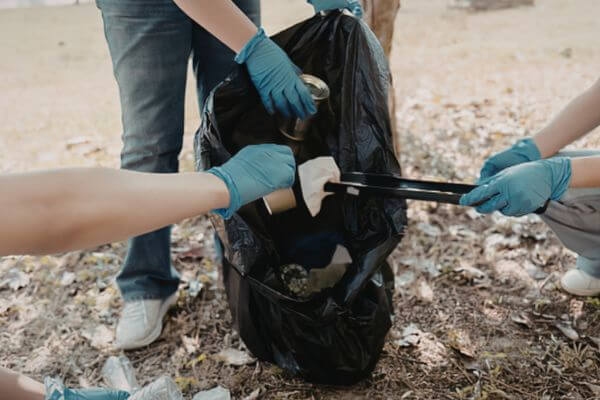
- Don’t litter
- Join forces with others to participate in beach cleanup activities.
- Teach others about correct waste disposal methods.
3. Advocate & raise awareness
- Use social media platforms and create school-based projects.
- Join or support marine conservation organisations that work for ocean protection.
- Support efforts to establish stronger pollution control regulations through public advocacy.
4. Responsible consumer choices
- Select products that have minimal packaging materials.
- Select seafood products that carry sustainability certifications.
- Support companies which prioritise environmental sustainability.
5. Citizen science & monitoring
- Join local monitoring programs for beaches and reefs to help protect these areas.
- Report marine debris
- Research projects benefit from the data you collect.
6. Be a responsible diver or snorkeler
- Avoid touching coral formations because they can get damaged.
- Avoid disturbing any marine organisms that you encounter.
- Choose tour operators who maintain the highest environmental standards.
How Ocean Pollution Effects Durban Shark Diving?
Durban Shark Diving provides both fun and protection of the marine environment by offering responsible and sustainable shark diving experiences.
How pollution in oceans effects your shark diving Experience
- Cleaner oceans result in better marine life and a higher quality of experience for all shark divers and snorkellers. Cleaner oceans directly improve the clarity of the water through lower levels of sediment, plastics and debris, which results in safer conditions and more rewarding shark encounters.
- Cleaner oceans are also closely linked to healthy shark populations. When prey species thrive in unpolluted environments, sharks have stable food sources and therefore become active, resilient and behave naturally; this creates more authentic and educational experiences for guests.
- Protecting coral reefs, reef fish, coastal dunes, and surrounding ecosystems is key to long-term preservation of durban’s dive sites. Pollution damages these habitats and conservation ensures their sustainability for future generations of divers and marine wildlife.
- During each guest’s experience they also gain valuable insight into marine conservation. This knowledge empowers visitors to be environmental advocates long after they leave the water.
Diving as part of the Solution
When participating in our shark cage diving, reef dives, snorkeling experiences, you will be supporting responsible marine tourism. Each ethical dive contributes to increased awareness of the oceans, education on marine conservation, and protection of durban’s unique marine environment, this makes you an active participant in the fight against ocean pollution.
Ocean Pollution and Its Effects
Ocean pollution affects marine wildlife throughout the ocean, from the surface down to the deepest depths. Pollutants sinking to the bottom of the ocean or being carried downward by ocean currents can contaminate deep-sea habitats and the sediment in which those animals live. Since most deep-sea species grow very slowly and are extremely sensitive to environmental changes, they are severely affected by habitat changes. Ultimately, this pollution can affect every level of the marine food chain, from the tiny plankton to the large predators like sharks, and it can damage every type of marine habitat found within every part of the ocean.
Knowledge of how ocean pollution has been used to empower individuals to make a positive impact on the world’s oceans through making informed daily decisions, raising awareness of conservation efforts and providing financial support for environmentally friendly ocean practices. A form of ethical marine tourism; including responsible shark diving, also provides an opportunity for educating others, conserving marine resources and reducing the amount of plastic waste created, one conscious decision at a time.
Be Part of the Solution to Ocean Pollution
Book your Durban shark diving trip today, to discover the underwater world of the Ocean with a cause. By Booking a Durban shark diving trip on our website, you are contributing to Education and Responsible Marine Tourism that addresses Ocean Pollution. Join us today for an unforgettable dive, to see Sharks in their natural habitat and learn about what Conservation Efforts are doing to Protect Marine Life for Future Generations.